About admin

This author has not yet filled in any details.
So far admin has created 248 blog entries.

Burning Bush: A Hardwood Forest’s Enemy

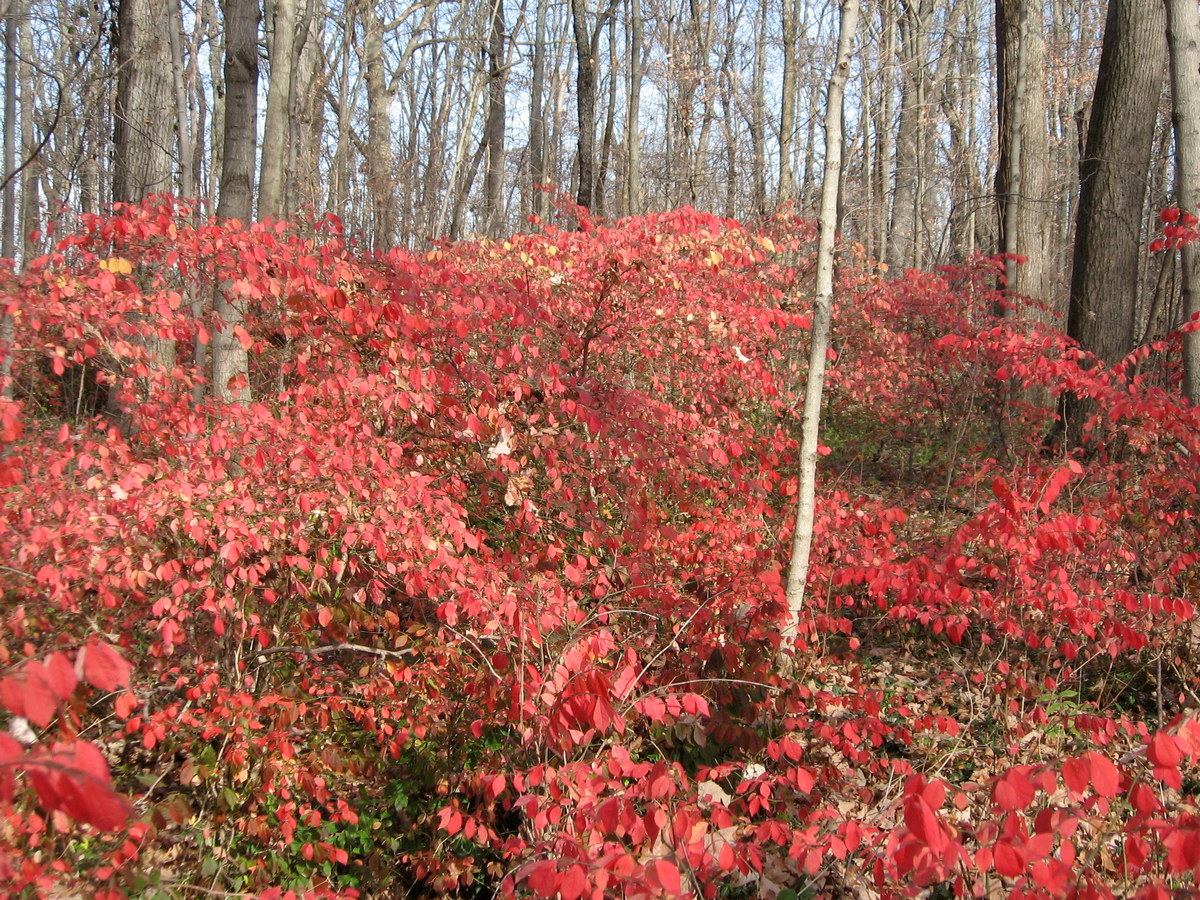
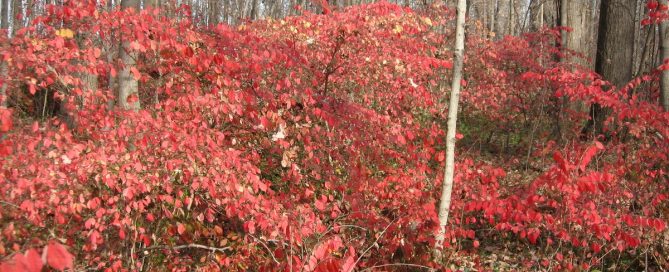
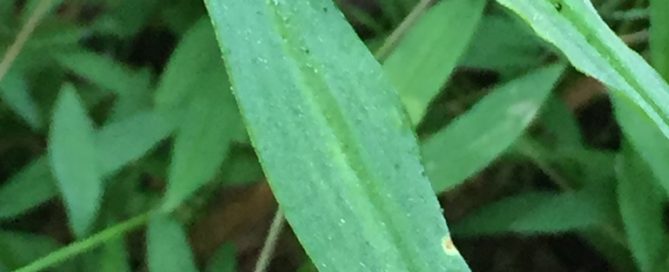
Part of a series on invasive species by guest blogger Ed Pope Burning bush, also known as winged burning bush, is native to eastern Asia. It was imported into New England in 1860 and became a popular landscaping shrub for a couple of reasons. It is very easy to [...]
By |2025-02-14T00:18:32+00:00March 3, 2021|Meltzer Woods, Newsroom, Properties|Comments Off on Burning Bush: A Hardwood Forest’s Enemy

Japanese Stiltgrass: From Packing Material to Nature Preserve

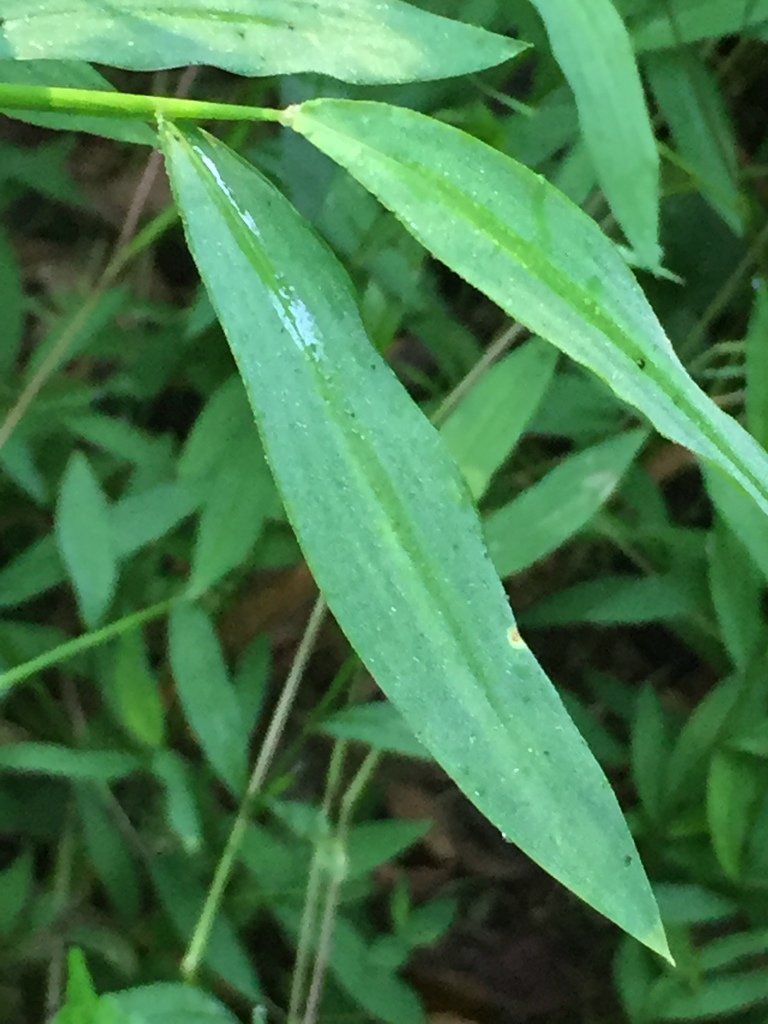
Part of a series on invasive species by guest blogger Ed Pope Unlike most other plants that have now become invasive, Japanese stiltgrass was not intentionally imported into North America. It is native to much of Asia and was once used as packing material for fragile items such as [...]

By |2025-02-14T00:18:32+00:00March 2, 2021|Betley Woods, Blossom Hollow, Newsroom, Properties|Comments Off on Japanese Stiltgrass: From Packing Material to Nature Preserve

The Many Gifts of Snow

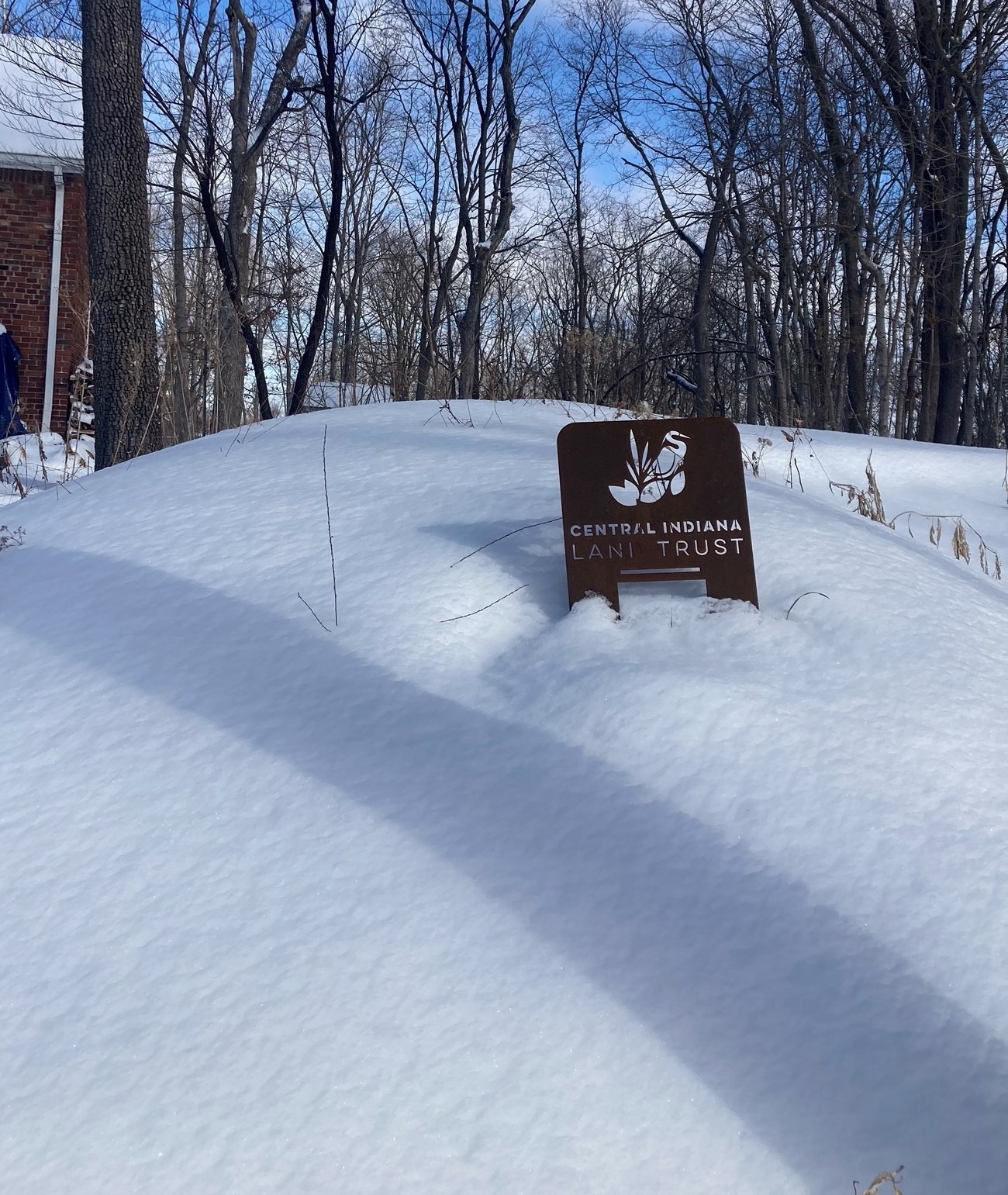
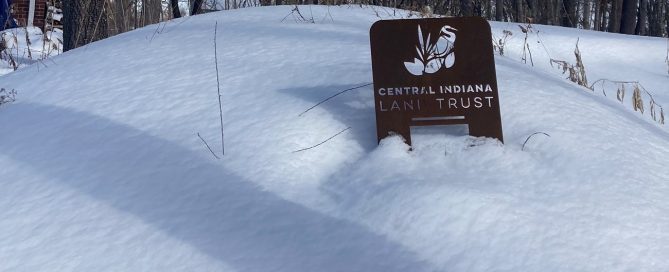
by Shawndra Miller, Communications Director I happen to love snow. Even if I complain about shoveling and hate to drive in it, I find real magic in the kind of big snowfall we had earlier this month. Snow has a way of transforming the world into a more beautiful [...]

By |2025-12-05T14:32:19+00:00February 25, 2021|Burnett Woods, Homepage, Newsroom, Olivers Woods, Properties|Comments Off on The Many Gifts of Snow

Callery Pear: Not a Tasty Alternative

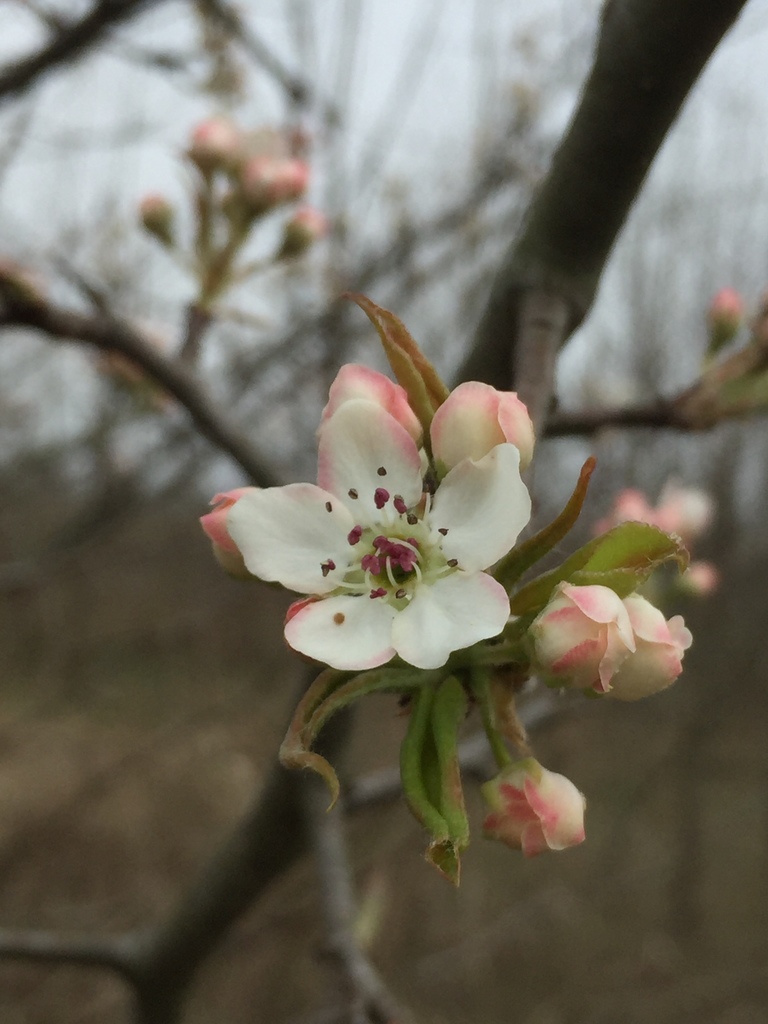
Part of a series on invasive species by guest blogger Ed Pope Callery pear is native to China and Vietnam. It was introduced into Europe in the 1800s. It first arrived in the United States at Boston’s Arnold Arboretum in 1906. It was imported by the United States Department [...]

By |2025-02-14T00:18:32+00:00February 24, 2021|Newsroom, Nonie Krauss Nature Preserve, Properties|Comments Off on Callery Pear: Not a Tasty Alternative

Bush Honeysuckle: A Well-intentioned Import Gone Bad

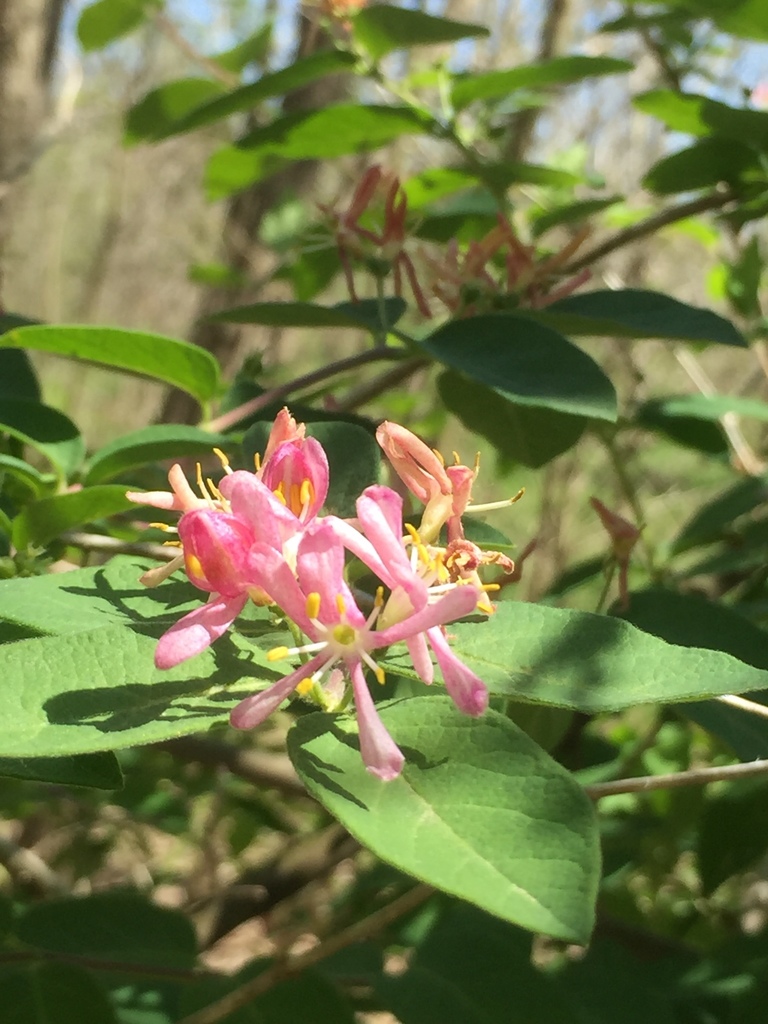
Part of a series on invasive species by guest blogger Ed Pope “It would be difficult to exaggerate the weedy potential of this shrub.” —Swink and Wilhelm, Plants of the Chicago Region You have probably read some of Cliff’s articles bemoaning the widespread presence of bush honeysuckle on CILTI [...]

By |2025-02-14T00:18:32+00:00February 22, 2021|Newsroom, Properties|Comments Off on Bush Honeysuckle: A Well-intentioned Import Gone Bad

Garlic Mustard: A Study in Unintended Consequences

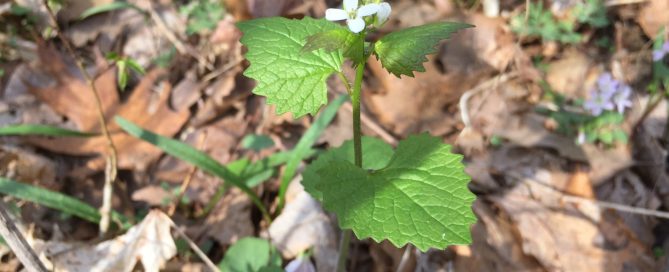
Part of a series on invasive species by guest blogger Ed Pope Garlic mustard is an herb that is native to Europe and portions of Asia. It has a garlic smell and has been used by humans as a spice since somewhere around 4000 B.C. It was most likely [...]

By |2025-02-14T00:18:32+00:00February 18, 2021|Meltzer Woods, Newsroom, Properties|Comments Off on Garlic Mustard: A Study in Unintended Consequences

Parke County Conservation Easement to Improve Environment for All

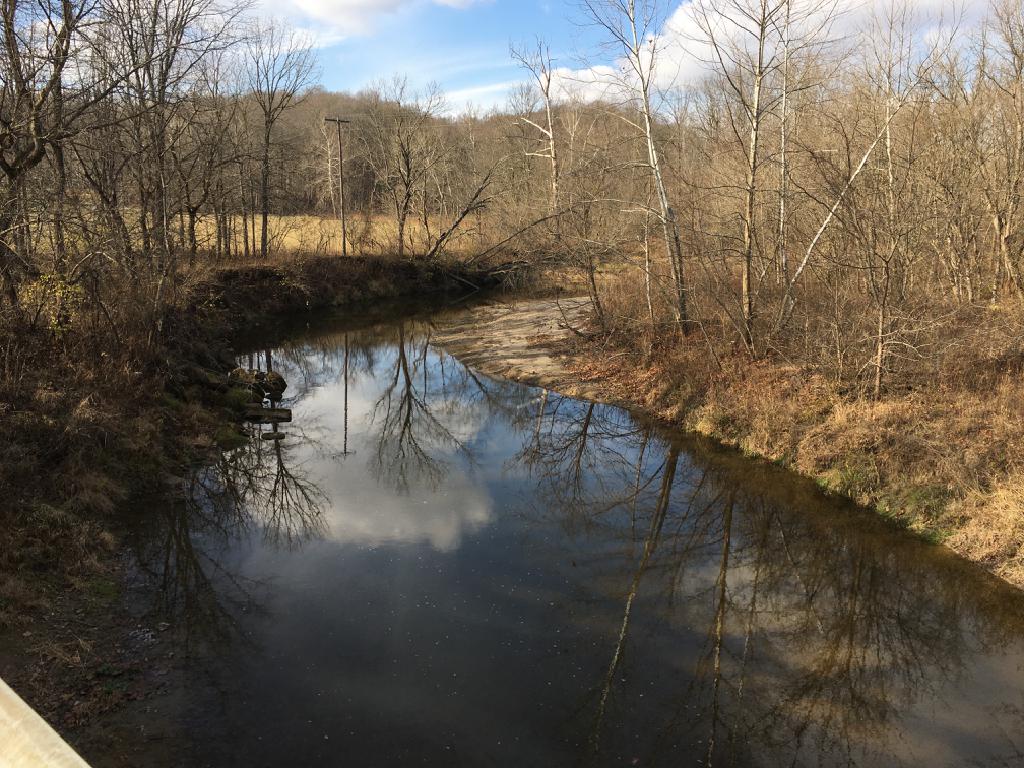
FOR IMMEDIATE RELEASE Feb. 8, 2021 Entrepreneur and nature lover Joe McCurdy has donated to the Central Indiana Land Trust a 365-acre conservation easement that promises to improve the water quality in nearby Turkey Run State Park and Rocky Hollow Falls Canyon Nature Preserve. […]

By |2025-02-14T00:19:20+00:00February 9, 2021|Conservation Easements, Newsroom, Press Releases|Comments Off on Parke County Conservation Easement to Improve Environment for All

Not all snowbirds seek palm trees

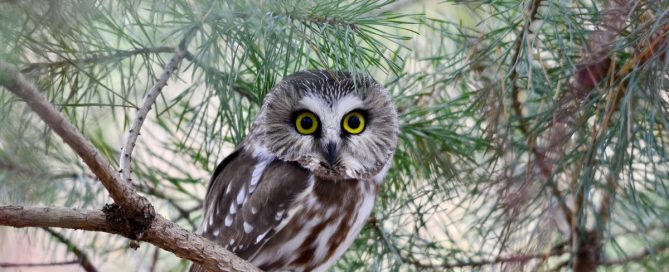
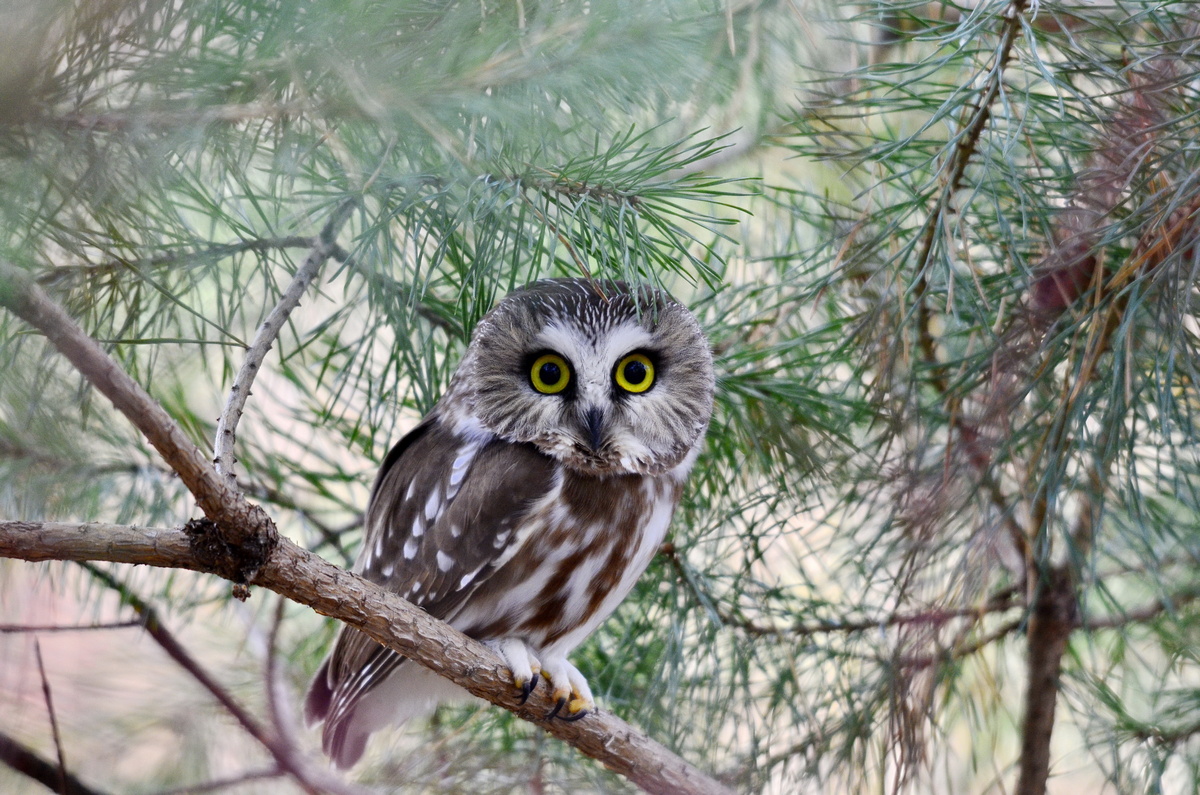
By Cliff Chapman Executive Director, Central Indiana Land Trust I got a text from a friend a couple days ago asking if I wanted to go look for a saw-whet owl. It was too good of an opportunity for an enthusiastic birder to pass up. Saw-whets are tiny owls [...]

By |2025-02-14T00:18:07+00:00February 4, 2021|Homepage, Newsroom|Comments Off on Not all snowbirds seek palm trees

Glades and Barrens: Increasingly Threatened Natural Areas

Part of a series on CILTI’s conservation targets by guest blogger Ed Pope Glades and barrens support unusual and rare plant communities, with a unique natural character that is increasingly threatened. Glades are natural open areas in forests. These openings are typically due to bedrock on or near the surface of [...]

By |2025-02-14T00:18:40+00:00February 2, 2021|Newsroom, Properties|Comments Off on Glades and Barrens: Increasingly Threatened Natural Areas
Go to Top