
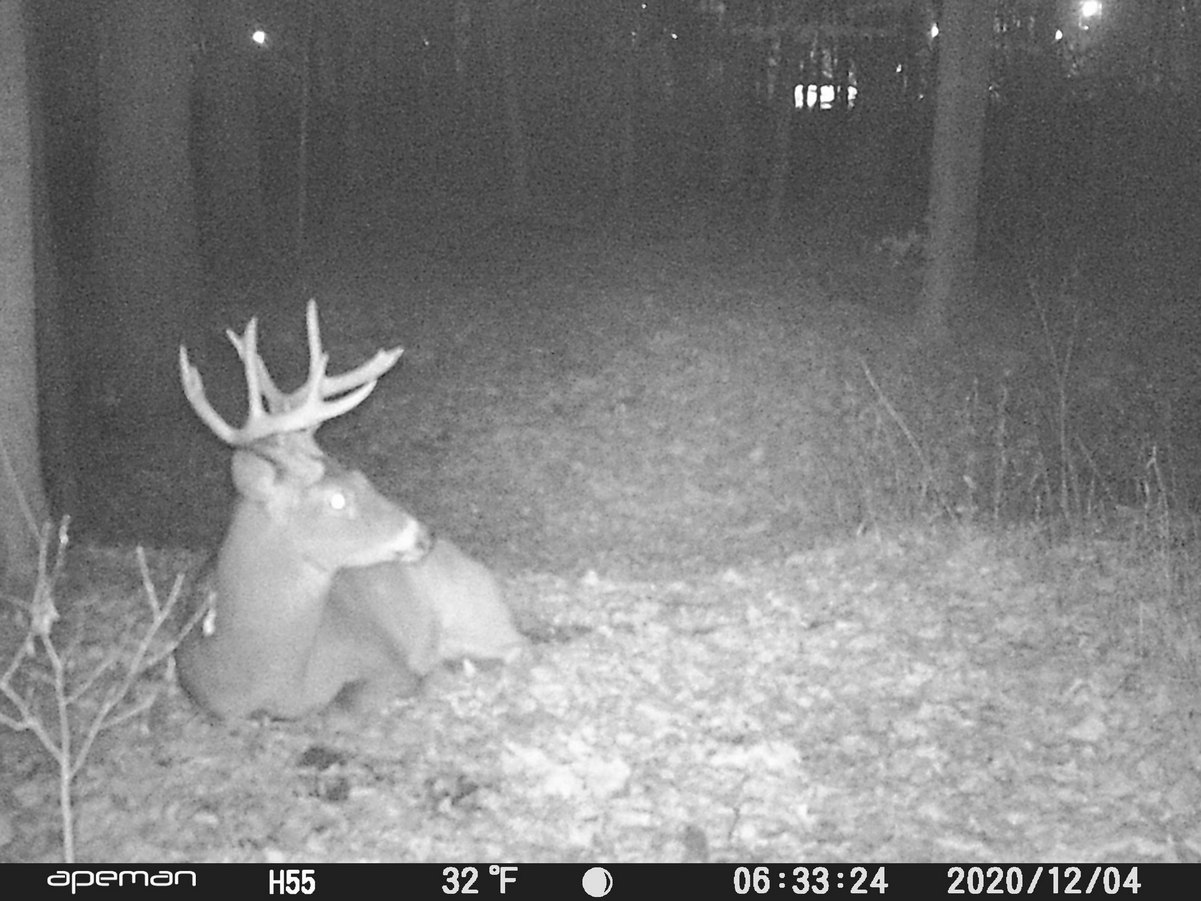
FB Inst Jan 2021 Dec 2023 buck res
Buck caught on the Oliver's Woods trail cam
Exploring Deer Hunting in Urban Nature Preserves
Written By: DJ Connors
Date Published: December 12, 2024
DJ Connors
Guest post by DJ Connors
Urban nature preserves are essential green spaces that provide an oasis for wildlife and people alike. These preserves are not only places of beauty and recreation. They also play a crucial role in wildlife management, particularly when it comes to controlling deer populations. Let’s explore the importance of deer hunting in these areas and how it benefits both the environment and the community.
The Importance of Deer Management
Across many urban and suburban areas, deer populations have exploded due to the absence of natural predators. This overpopulation leads to significant ecological challenges, including the destruction of native plants and the rise of invasive species.
Too many deer can strip an area of its vegetation, which disrupts the food web, reduces biodiversity, and ultimately changes the landscape. In some regions of the country, deer browse has led to a significant reduction of native wildflowers, which in turn affects bird populations and other wildlife that rely on these plants for food and shelter.
Beyond the ecological impact, high deer populations also lead to increased human-deer conflicts, particularly car accidents. In areas with dense deer populations, the likelihood of vehicle collisions with deer rises, posing serious safety risks and economic costs.
The Indiana Department of Natural Resources (DNR) has implemented deer reduction zones to address these challenges in urban settings, where managing deer populations is both a conservation and public safety priority.
Why Indiana DNR Supports Urban Deer Zones
The Indiana DNR’s Urban Deer Zone program is a proactive approach to managing deer in densely populated areas. These zones are designated in parts of the state where deer numbers are particularly high, allowing for extended hunting seasons and more liberal bag limits to reduce the population. The goal is not only to protect the environment but also to reduce the risks associated with deer overpopulation, such as car accidents and damage to agricultural crops and residential landscaping.
By actively managing deer populations through hunting, these programs help maintain a balance between wildlife and human communities, ensuring that natural habitats can thrive and that urban areas remain safe for residents.
The Intangible Benefits of Hunting
Beyond the practical aspects of population control, hunting offers hunters a deep connection with nature. It requires an intimate understanding of the animal’s life, from its habits and behaviors to its role in the ecosystem. This knowledge fosters a profound appreciation for the deer and the natural world, promoting a conservation ethic among hunters.
Hunting also offers significant mental health benefits. Spending time in nature has anecdotally been shown to reduce stress, improve mood, and enhance overall well-being. The quiet, reflective time spent in the wilderness, coupled with the physical activity of hunting, contributes to a healthier lifestyle and a greater sense of peace.
Conclusion
Nature preserves in urban areas are more than just patches of green in the city—they are vital for maintaining ecological balance and providing valuable recreational opportunities. Deer hunting, as part of a broader wildlife management strategy, ensures that these areas remain vibrant and sustainable.
The Indiana DNR’s efforts to manage deer populations in urban zones highlight the importance of these programs for both environmental and human health. For those who participate in hunting, the experience offers not just the thrill of the hunt but a deeper connection to nature and a commitment to conservation.
Next time you visit a nature preserve, remember the important role that hunting plays in preserving many of these spaces for future generations. It’s a win-win for nature-lovers and hunters alike.
Ben Valentine
Guest Blogger
Ben Valentine is a founding member of the Friends of Marott Woods Nature Preserve and is active in several other conservation organizations. He leads a series of NUVO interviews with Indiana's environmental leaders, and he cherishes showing his son all the wonders of nature he grew up loving.

DJ Connors
Guest Blogger
DJ Connors, a Central Indiana native and late-to-life hunter, combines a lifelong appreciation for wildlife and the outdoors with a deep passion for exploring the natural beauty of the area he has called home for most of his life. As a husband and father of three, he is committed to ensuring his children have the same opportunities to connect with nature and appreciate the outdoors in their community. DJ’s unique journey into hunting emphasizes sustainability, responsible stewardship, and the importance of preserving these experiences for future generations.

Bridget Walls
Guest Blogger
Bridget is our first ever Communications and Outreach Intern. She is a graduate of Marian University, where she combined English, studio art, and environmental sciences in her degree studies. As treasurer for Just Earth, the university's environmental club, she helped plan events encouraging a responsible relationship between people, nature, and animals.

Jordan England
Guest Blogger
Jordan England is a lifelong Shelby County resident who graduated from Waldron Jr. Sr. High School (just a few miles from Meltzer Woods!). After earning her B.S. degree in Retail Management from Purdue University, she returned to Waldron to start a family with her husband, Brian. Together they have 3 young children and enjoy sharing with them their love of the community. Jordan is the Grants and Nonprofit Relations Director at Blue River Community Foundation, managing BRCF’s grant program, providing support to local nonprofits, and promoting catalytic philanthropy in Shelby County.

Cliff Chapman
President and CEO
As CILTI’s President and CEO, Cliff keeps CILTI’s focus on good science and stewardship. He’s mindful that the natural places you love took thousands of years to evolve and could be destroyed in a single day, and that knowledge drives his dedication to their protection.
Stacy Cachules
Chief Operating Officer
Among her many key duties as Assistant Director, Stacy has the critical task of tracking our budget, making sure we channel donations for maximum efficiency. When her workday’s done, Stacy loves to spend time with her two young boys—and when not traveling, she’s likely planning the next travel adventure.

Ryan Fuhrmann
Board Chair
Ryan C. Fuhrmann, CFA, is President and founder of Fuhrmann Capital LLC, an Indiana-based investment management firm focused on portfolio management. Ryan’s interest in land conservation centers around a desire to help preserve natural habitats for wildlife and the subsequent benefits it brings to people and the environment.

Joanna Nixon
Board Member
Joanna Nixon is the owner of Nixon Consulting, an Indianapolis-based strategy and project management firm focused on the nonprofit sector. She currently serves as the Philanthropic Advisor for the Efroymson Family Fund. Prior to opening her consulting practice in 2000, Joanna was vice-president for grantmaking at Central Indiana Community Foundation (CICF). Joanna has more than 25 years of experience in the nonprofit and arts and culture sector. She is passionate about the environment and loves bringing big ideas to life and creating high-quality arts and culture programs and experiences. Joanna enjoys outdoor adventures, including competing in fitness obstacle course races and hiking with her high energy Australian Cattle Dog, Jackson.

Karen Wade
Board Member
Before retiring, CILTI board member Karen Wade worked for Eli Lilly & Co. In retirement she volunteers for a number of organizations, including the Indiana Master Naturalist program, Johnson County Native Plant Partnership CISMA, Meadowstone Therapeutic Riding Center, and Leadership Johnson County.

David Barickman
Development Director
Born and raised in Central Illinois, David spent many days as a child wandering around the river, forest and lakes there. He works behind the scenes as a key member of our fundraising team. When not working, David loves to be outdoors hiking, fly fishing, kayaking or woodworking.

Jamison Hutchins
Stewardship Director
Jamison leads our stewardship team in caring for the land that is so important to you. He comes to our team after eight years as Bicycle and Pedestrian Coordinator for the city of Indianapolis, where his work had a positive impact from both health and environmental perspectives.

Jen Schmits Thomas
Media Relations
An award-winning communicator and recognized leader in Central Indiana’s public relations community, Jen helps us tell our story in the media. She is the founder of JTPR, which she and her husband John Thomas own together. She is accredited in public relations (APR) from the Public Relations Society of America, and loves to camp and hike in perfect weather conditions.

Shawndra Miller
Communications Director
Shawndra’s earliest writing projects centered around the natural world, starting when a bird inspired her to write her first “book” in elementary school. Now she is in charge of sharing our story and connecting you to our work. Through our print and online materials, she hopes to inspire your participation in protecting special places for future generations.

Phillip Weldy
Stewardship Manager
Phillip enjoys nature’s wonders from an up-close-and-personal perspective as he works to restore the natural places you love. As an AmeriCorps member in Asheville, NC, he had his first full immersion in relatively undisturbed land while reconstructing wilderness trails in National Parks and National Forests.









December 16, 2025
In Montgomery County, we recently assisted the DNR Division of Nature Preserves expand Spring Creek Seeps Nature Preserve. A 30-acre tract adjoining the preserve is now protected in perpetuity.
Newsroom,Properties
December 11, 2025
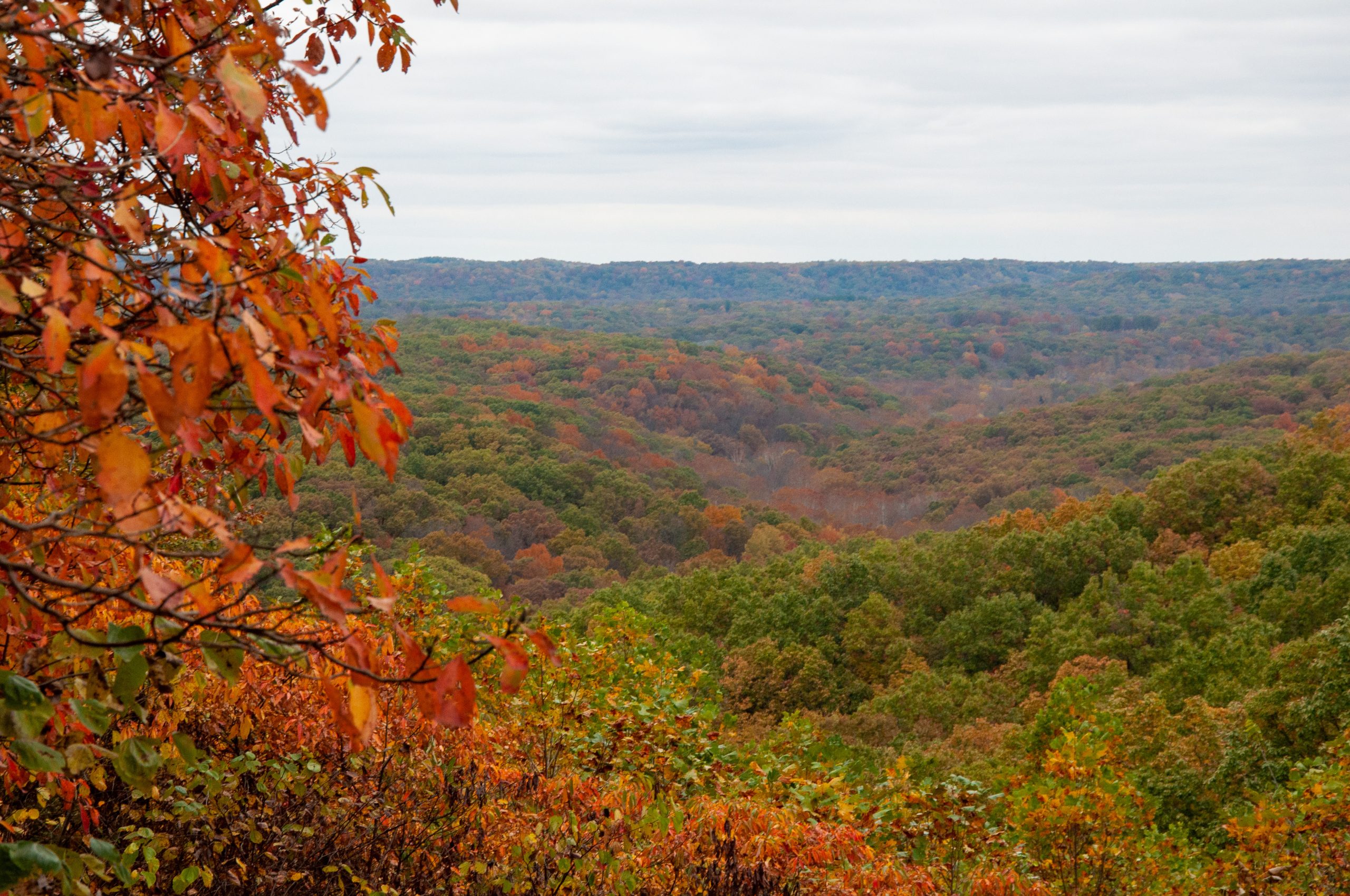
Brown County is beloved for its vistas of iconic Southern Indiana hills. Now the forests under protection in the county include another 89 acres. That’s all thanks to our members’ generosity!
Betley Woods,Blossom Hollow,Callon Hollow,Homepage,Newsroom,Properties
December 9, 2025
Board member Ryan C. Fuhrmann, CFA, is President and founder of Fuhrmann Capital LLC, an Indiana-based investment management firm. As our incoming board chair, Ryan brings a strong desire to preserve natural habitats for wildlife. We asked him to share his perspective on making gifts of stock to the [...]
Newsroom
