

blog Oct 2022 2 canoe
Paddling the Boundary Waters Canoe Area Wilderness
Exploring the Boundary Waters
Written By: David Barickman
Date Published: October 19, 2022
David Barickman
by David Barickman, Development Systems Manager
Vibrant night skies. Silent stretches of water. Bald eagles, loons, beavers. And total peace.
That was my experience of the Boundary Waters Canoe Area Wilderness (BWCAW) last month.
That first day, as my father and I paddled away from the outfitter’s dock and across Seagull Lake, it was apparent we were leaving several things behind. Much farther south, on our drive, we had left deciduous trees behind. More recently in Grand Marais, we had left cell phone signal behind. Now we were paddling away from access to extra supplies, our car, and many other conveniences.
We paddled a little further, and we left the last house and road behind as we passed a sign welcoming us into the official wilderness area.
What is wilderness? Wilderness can mean many things, but the U.S. Forest Service’s definition of wilderness is: “an area where the earth and its community of life are untrammeled by man, where man himself is a visitor who does not remain.” This was written as part of the Wilderness Act of 1964, legislation that preserves the BWCAW and 803 other wilderness areas that encompass a total of 111.7 million acres.
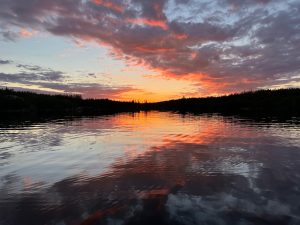 The BWCAW is an expansive wilderness area in northern Minnesota stretching along 150 miles of the border between the United States and Canada. Its eastern edge lies close to the shores of Lake Superior. The BWCAW is just over 1 million acres and is made up of forest and 1,175 lakes. Canoe routes through the BWCAW exceed 1,200 miles.
Extending this tract of protected forest to the north is Canada’s Quetico Provincial Park (1.17 million acres). To its west is Voyagers National Park (218,035 acres). The geology of the region is what is known as the Canadian shield, made up of large areas of exposed granite bedrock. The forest is part of the “North Woods,” where conifers dominate.
My trip to the BWCAW was five days long and was spent primarily on and around Seagull Lake on the eastern side of the wilderness. I first picked up my father in central Illinois where he lives, and we drove just over 700 miles north to Grand Marais, MN. From there, we headed into the Superior National Forest down the Gunflint Trail to Seagull Outfitters, where we rented our canoe and began our trip.
After passing into the BWCAW, beyond the “no motorized boats” sign, we paddled on several more miles to the far side of the lake to where we intended to camp. Our plan was to paddle and portage to nearby lakes each day.
Even as we left many comforts behind, it became clear we were gaining many benefits as we entered the wilderness.
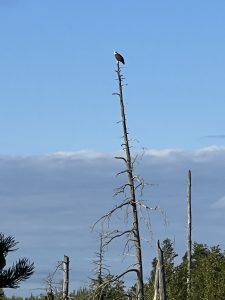
Bald eagle
We began to see more wildlife each day. Each morning, a tiny red squirrel chattering at our tent woke us up. I flushed three or four startled grouse from the underbrush nearly every morning. We saw multiple bald eagles each day and paddled past many eagle nests. One evening, as I spent a few hours fishing, I was joined by a bald eagle perched about 100 yards away atop a dead pine. Another evening, during a late paddle, we saw no less than 10 beavers swimming around the calm bays of the lake. And of course, there was the iconic north country auditory backdrop of loons throughout the trip.
We also noticed more moments of peaceful quiet, or at least an absence of man-made noise. Noise pollution was low enough that, at times, when the wind was soft and the loons were calm, you could enjoy real silence. In that moment, you could pick up on fascinating sounds like the babbling of a riffle on a river far away or the lake softly lapping at the shore.
The night sky was also more vivid. The BWCAW is the largest designated Dark Sky Sanctuary. A Dark Sky Sanctuary is a place recognized for its exceptional starry nights and lack of light pollution by the Dark Sky Association. Each night before we turned in, we would marvel at the vibrant sky filled with more stars than we had ever seen. Just a few nights after we left the BWCAW, the Northern Lights treated other visitors to a brilliant display.
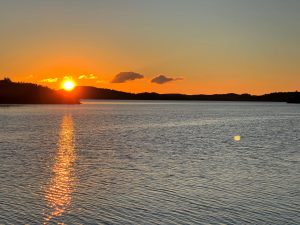 We also enjoyed the solitude, which provided a welcome rest from daily life. I wouldn’t say I live a hectic or chaotic daily life. However, modern life puts constant demands on a person’s attention and focus. In the BWCAW, my phone received no notifications, no one was trying to get my attention (other than our constant friend the red squirrel), and I had nowhere to be. This, for me, was restorative.
While I would certainly advocate that anyone remotely interested in a wilderness experience make a trip to the BWCAW, it is not the only way you can access some of these benefits. In many ways, wilderness could be seen as a juxtaposition of the modern drive towards development. In that way, there are many pockets of wilderness that hold treasures for you to enjoy. There are many here in Central Indiana! Nature preserves can be a wonderful place to clear your schedule, turn off your phone, and enjoy a small slice of wilderness close to home.
If you would like to learn more about the BWCAW, I would suggest checking out Friends of the Boundary Waters Wilderness.
Ben Valentine
Guest Blogger
Ben Valentine is a founding member of the Friends of Marott Woods Nature Preserve and is active in several other conservation organizations. He leads a series of NUVO interviews with Indiana's environmental leaders, and he cherishes showing his son all the wonders of nature he grew up loving.

DJ Connors
Guest Blogger
DJ Connors, a Central Indiana native and late-to-life hunter, combines a lifelong appreciation for wildlife and the outdoors with a deep passion for exploring the natural beauty of the area he has called home for most of his life. As a husband and father of three, he is committed to ensuring his children have the same opportunities to connect with nature and appreciate the outdoors in their community. DJ’s unique journey into hunting emphasizes sustainability, responsible stewardship, and the importance of preserving these experiences for future generations.

Bridget Walls
Guest Blogger
Bridget is our first ever Communications and Outreach Intern. She is a graduate of Marian University, where she combined English, studio art, and environmental sciences in her degree studies. As treasurer for Just Earth, the university's environmental club, she helped plan events encouraging a responsible relationship between people, nature, and animals.

Jordan England
Guest Blogger
Jordan England is a lifelong Shelby County resident who graduated from Waldron Jr. Sr. High School (just a few miles from Meltzer Woods!). After earning her B.S. degree in Retail Management from Purdue University, she returned to Waldron to start a family with her husband, Brian. Together they have 3 young children and enjoy sharing with them their love of the community. Jordan is the Grants and Nonprofit Relations Director at Blue River Community Foundation, managing BRCF’s grant program, providing support to local nonprofits, and promoting catalytic philanthropy in Shelby County.

Cliff Chapman
President and CEO
As CILTI’s President and CEO, Cliff keeps CILTI’s focus on good science and stewardship. He’s mindful that the natural places you love took thousands of years to evolve and could be destroyed in a single day, and that knowledge drives his dedication to their protection.
Stacy Cachules
Chief Operating Officer
Among her many key duties as Assistant Director, Stacy has the critical task of tracking our budget, making sure we channel donations for maximum efficiency. When her workday’s done, Stacy loves to spend time with her two young boys—and when not traveling, she’s likely planning the next travel adventure.

Ryan Fuhrmann
Board Chair
Ryan C. Fuhrmann, CFA, is President and founder of Fuhrmann Capital LLC, an Indiana-based investment management firm focused on portfolio management. Ryan’s interest in land conservation centers around a desire to help preserve natural habitats for wildlife and the subsequent benefits it brings to people and the environment.

Joanna Nixon
Board Member
Joanna Nixon is the owner of Nixon Consulting, an Indianapolis-based strategy and project management firm focused on the nonprofit sector. She currently serves as the Philanthropic Advisor for the Efroymson Family Fund. Prior to opening her consulting practice in 2000, Joanna was vice-president for grantmaking at Central Indiana Community Foundation (CICF). Joanna has more than 25 years of experience in the nonprofit and arts and culture sector. She is passionate about the environment and loves bringing big ideas to life and creating high-quality arts and culture programs and experiences. Joanna enjoys outdoor adventures, including competing in fitness obstacle course races and hiking with her high energy Australian Cattle Dog, Jackson.

Karen Wade
Board Member
Before retiring, CILTI board member Karen Wade worked for Eli Lilly & Co. In retirement she volunteers for a number of organizations, including the Indiana Master Naturalist program, Johnson County Native Plant Partnership CISMA, Meadowstone Therapeutic Riding Center, and Leadership Johnson County.

David Barickman
Development Director
Born and raised in Central Illinois, David spent many days as a child wandering around the river, forest and lakes there. He works behind the scenes as a key member of our fundraising team. When not working, David loves to be outdoors hiking, fly fishing, kayaking or woodworking.

Jamison Hutchins
Stewardship Director
Jamison leads our stewardship team in caring for the land that is so important to you. He comes to our team after eight years as Bicycle and Pedestrian Coordinator for the city of Indianapolis, where his work had a positive impact from both health and environmental perspectives.

Jen Schmits Thomas
Media Relations
An award-winning communicator and recognized leader in Central Indiana’s public relations community, Jen helps us tell our story in the media. She is the founder of JTPR, which she and her husband John Thomas own together. She is accredited in public relations (APR) from the Public Relations Society of America, and loves to camp and hike in perfect weather conditions.

Shawndra Miller
Communications Director
Shawndra’s earliest writing projects centered around the natural world, starting when a bird inspired her to write her first “book” in elementary school. Now she is in charge of sharing our story and connecting you to our work. Through our print and online materials, she hopes to inspire your participation in protecting special places for future generations.

Phillip Weldy
Stewardship Manager
Phillip enjoys nature’s wonders from an up-close-and-personal perspective as he works to restore the natural places you love. As an AmeriCorps member in Asheville, NC, he had his first full immersion in relatively undisturbed land while reconstructing wilderness trails in National Parks and National Forests.









March 22, 2026
When you’re walking in the woods in the spring, it’s clear that life is all around you. Giant trees tower above you. The birds sing with their melodious voices. At your feet, ephemeral flowers bloom in radiant hues of color. Surrounded by beauty, it’s easy to be captivated by [...]
Newsroom,Properties,Stewardship
February 2, 2026
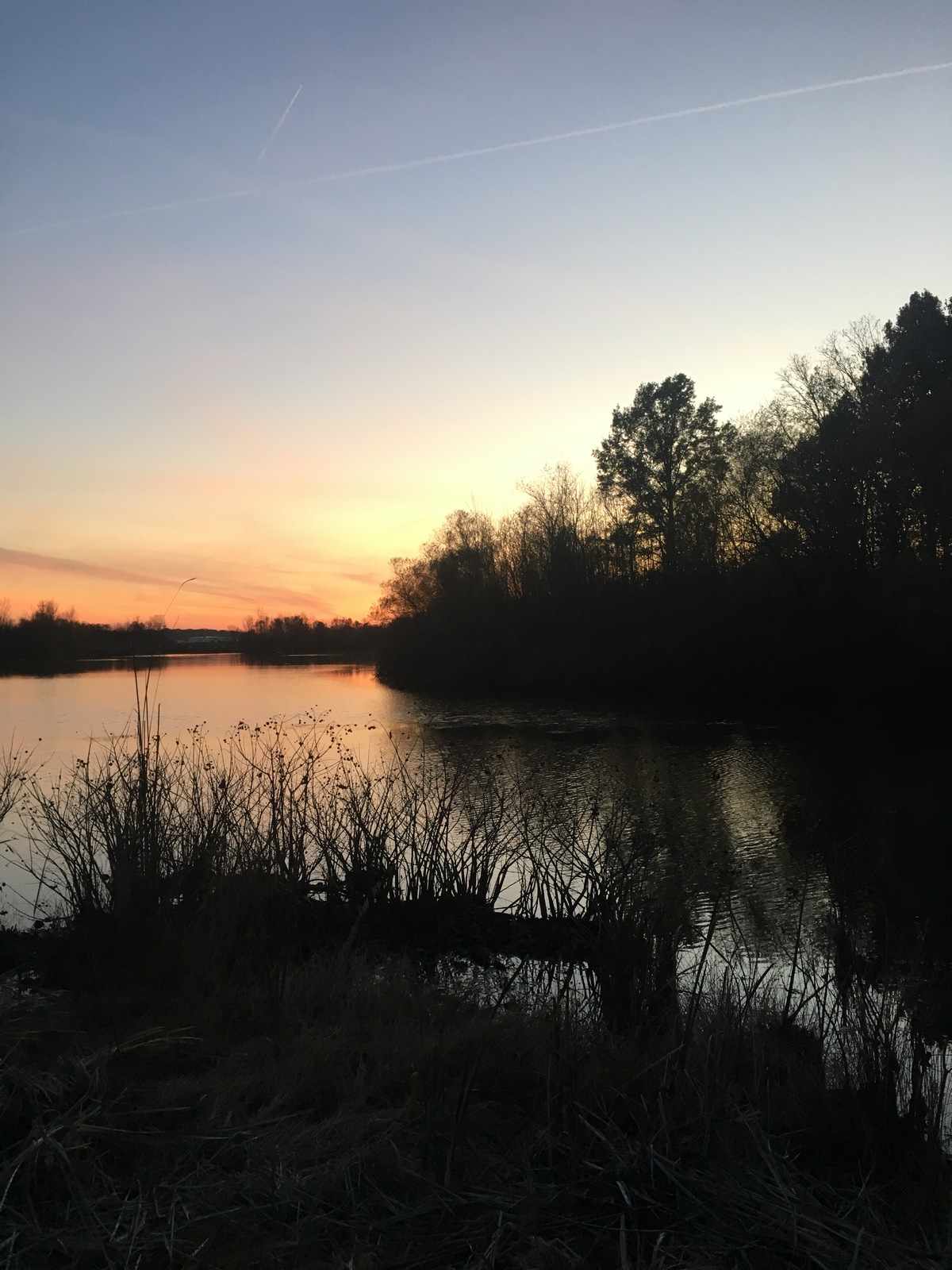
Kidneys of the planet. Biodiversity hotspots. Sponges. These are just some of the ways wetlands can be described, according to Gary Lamberti, Nieuwland Professor of Aquatic Science at the University of Notre Dame.
Browning Marsh,Meltzer Woods,Newsroom,Properties
January 21, 2026
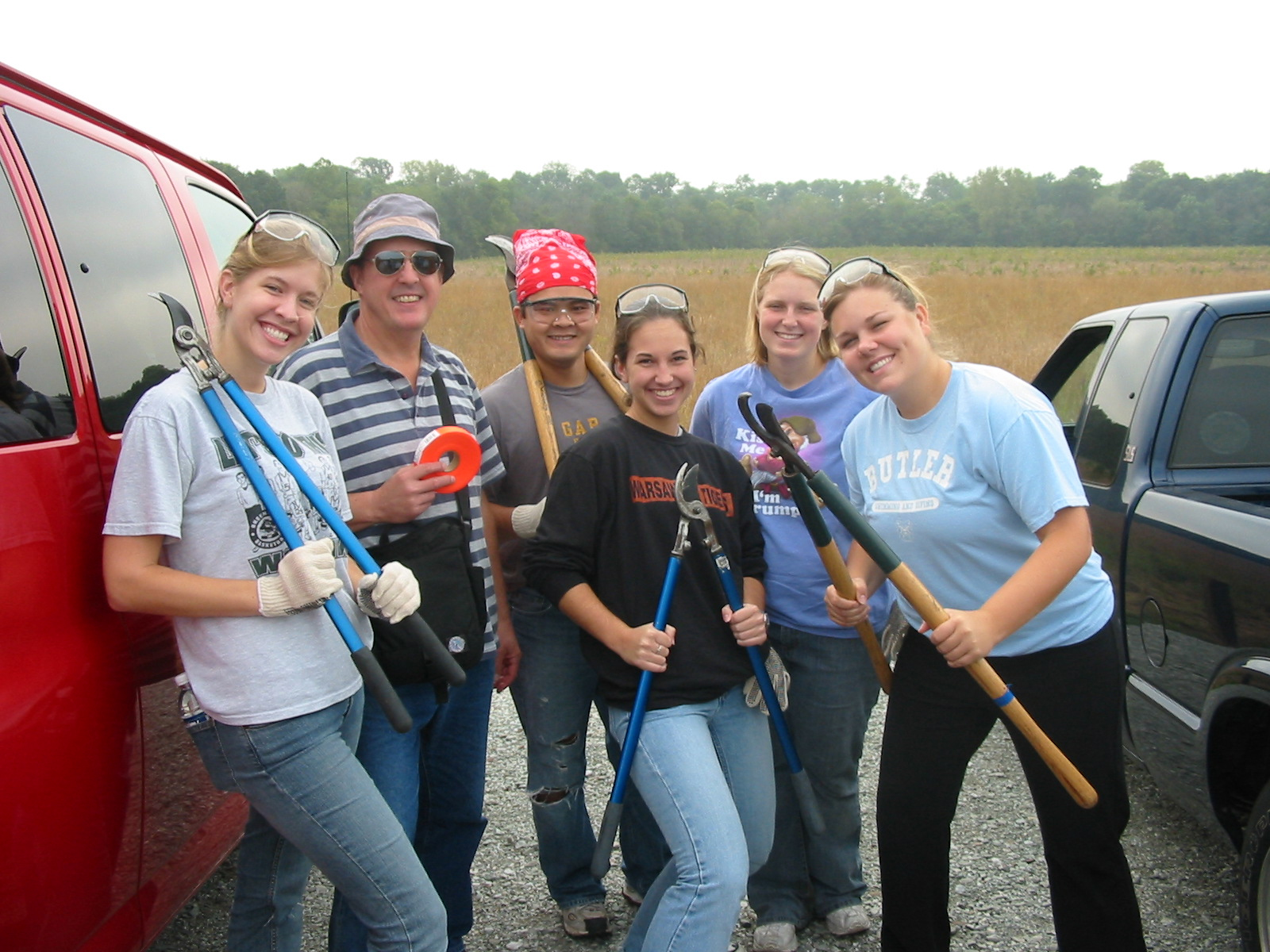
Dick Miller (second from left, above) is a longtime land trust member with a history of rolling up his sleeves. He started off by bringing his Butler students to volunteer events in the late 2000s. After retirement, he volunteered weekly and later joined the board of directors. His beautiful [...]
Legacy,Newsroom
