

Watercolor of golden oriole by Susan Fenimore Cooper1851
Watercolor of golden oriole by Susan Fenimore Cooper, 1851
Women’s History and “Our Common Home”
Written By: Shawndra Miller
Date Published: March 22, 2023
Shawndra Miller
For Women’s History Month, we look at just a few of the many American women whose work gave voice to planetary concerns.
The Naturalist
“The earth is the common home of all.” So said Susan Fenimore Cooper (1813-1894), one of America’s earliest naturalists.
In 1850, Cooper wrote a nature book called Rural Hours. This anonymously published work inspired Henry David Thoreau, who referred to it in his journal long before publishing Walden.
The daughter of writer James Fenimore Cooper, Susan Cooper could be considered a foremother of modern conservation. She wrote, “Mature trees, young saplings, and last year’s seedlings, are all destroyed at one blow by the axe or by fire; the spot where they have stood is left, perhaps, for a lifetime without any attempt at cultivation, or any endeavor to foster new wood.”
She also decried the loss of bird species in an 1893 essay, “A Lament for the Birds.”
Climate Scientist
A contemporary of Cooper’s was meanwhile breaking new ground with work that foresaw the phenomenon of climate change. Eunice Foote (1819-1888) was a women’s rights advocate, working alongside Elizabeth Cady Stanton for women’s suffrage. But she was also a scientist.
In 1856, Foote’s work was presented to the American Association for the Advancement of Science. Foote had written a paper about her experiments on the effects of the sun on certain gases. Though a male researcher would go on to be credited with the discovery, she was actually first to show how atmospheric gases like carbon dioxide would absorb solar radiation and generate heat.
Barriers against women in science kept Foote’s pioneering work from being recognized, until recently.
Air Pollution Pioneer
A century later, a physician named Mary Amdur (1921-1998) would conduct extensive research into the effects of air pollution.
Beginning at the Harvard School of Public Health in the mid1950s, Amdur developed a model to study sulfur dioxide’s effect on the respiratory tract in mammals. She later collaborated with engineers at MIT’s Energy Laboratory in the study of pollutants produced from burning fossil fuels. Believing air pollution toxicology would be neglected at MIT, in 1989, she moved her research to New York University’s Institute of Environmental Medicine.
At all three prestigious institutions, she remained untenured, though she would become known as “the mother of air pollution toxicology.” Her groundbreaking air pollution research influenced amendments to the Clean Air Act in 1966. It also contributed to the development of the Air Quality Act of 1967, expanding federal authority to regulate air pollution.
In 1997, Amdur received the Society of Toxicology’s Merit Award—the first woman to do so.
Harlem Renaissance Poet/Activist
Nature provided ample inspiration for the poetry of Anne Spencer (1882-1975). Born to formerly enslaved parents, she studied at Virginia Theological Seminary and College in Lynchburg, Virginia, and graduated as valedictorian at the age of 17. She later established a chapter of the NAACP in Lynchburg.
She became a prominent figure in the Harlem Renaissance, along with poet Langston Hughes and writer Zora Neale Hurston.
A botanist, she not only drew on the natural world for imagery, she wrote poetry that compared the destruction of nature to the subjugation of African Americans. In fact, “White Things,” one of her most influential poems, has been called the quintessential protest poem. She often wrote about the racist constraints of American society, facing censorship of her most pointed verses.
Spencer’s poetry was published in the Norton Anthology of Modern Poetry in 1973. She was the second African American and the first African American woman whose work was included in the influential series. Her home and garden are now a museum featuring the only known restored garden of an African American nationwide.
The Conservationist
MaVynee Betsch (1935-2005) was a prominent Florida activist who became known as The Beach Lady. Her environmental work centered around preserving American Beach, which had been founded by her millionaire grandfather, Abraham Lincoln Lewis.
Located on Amelia Island, FL, American Beach was considered the African American Hyannisport. It was a resort where upper class Black families could find safety and rejuvenation in the Jim Crow South.
Betsch earned a degree from the Oberlin (OH) Conservatory of Music, and moved to Europe, where she became an opera singer, debuting in Germany in 1959. She returned to Florida to find American Beach in decline, and she set about preserving its ecological and historical value. By 1975 she had dedicated herself full time to protecting American Beach, eventually giving away her entire life savings to environmental causes.
After a cancer diagnosis and subsequent surgery in 2002, Betsch only redoubled her efforts. That year American Beach was placed on the National Register of Historic Places. She continued to work on creating the American Beach Museum. It opened in 2014, nine years after she passed.
Each rebels in their own way, these women led full and fascinating lives. You can find more information on them in these resources:
Rachel Carson and Her Sisters: Extraordinary Women Who Have Shaped America’s Environment (book by Robert Musil)
Susan Fenimore Cooper, America’s First Recognized Female Nature Writer
National Park Services on Mary Amdur

Ben Valentine
Guest Blogger
Ben Valentine is a founding member of the Friends of Marott Woods Nature Preserve and is active in several other conservation organizations. He leads a series of NUVO interviews with Indiana's environmental leaders, and he cherishes showing his son all the wonders of nature he grew up loving.

DJ Connors
Guest Blogger
DJ Connors, a Central Indiana native and late-to-life hunter, combines a lifelong appreciation for wildlife and the outdoors with a deep passion for exploring the natural beauty of the area he has called home for most of his life. As a husband and father of three, he is committed to ensuring his children have the same opportunities to connect with nature and appreciate the outdoors in their community. DJ’s unique journey into hunting emphasizes sustainability, responsible stewardship, and the importance of preserving these experiences for future generations.

Bridget Walls
Guest Blogger
Bridget is our first ever Communications and Outreach Intern. She is a graduate of Marian University, where she combined English, studio art, and environmental sciences in her degree studies. As treasurer for Just Earth, the university's environmental club, she helped plan events encouraging a responsible relationship between people, nature, and animals.

Jordan England
Guest Blogger
Jordan England is a lifelong Shelby County resident who graduated from Waldron Jr. Sr. High School (just a few miles from Meltzer Woods!). After earning her B.S. degree in Retail Management from Purdue University, she returned to Waldron to start a family with her husband, Brian. Together they have 3 young children and enjoy sharing with them their love of the community. Jordan is the Grants and Nonprofit Relations Director at Blue River Community Foundation, managing BRCF’s grant program, providing support to local nonprofits, and promoting catalytic philanthropy in Shelby County.

Cliff Chapman
President and CEO
As CILTI’s President and CEO, Cliff keeps CILTI’s focus on good science and stewardship. He’s mindful that the natural places you love took thousands of years to evolve and could be destroyed in a single day, and that knowledge drives his dedication to their protection.
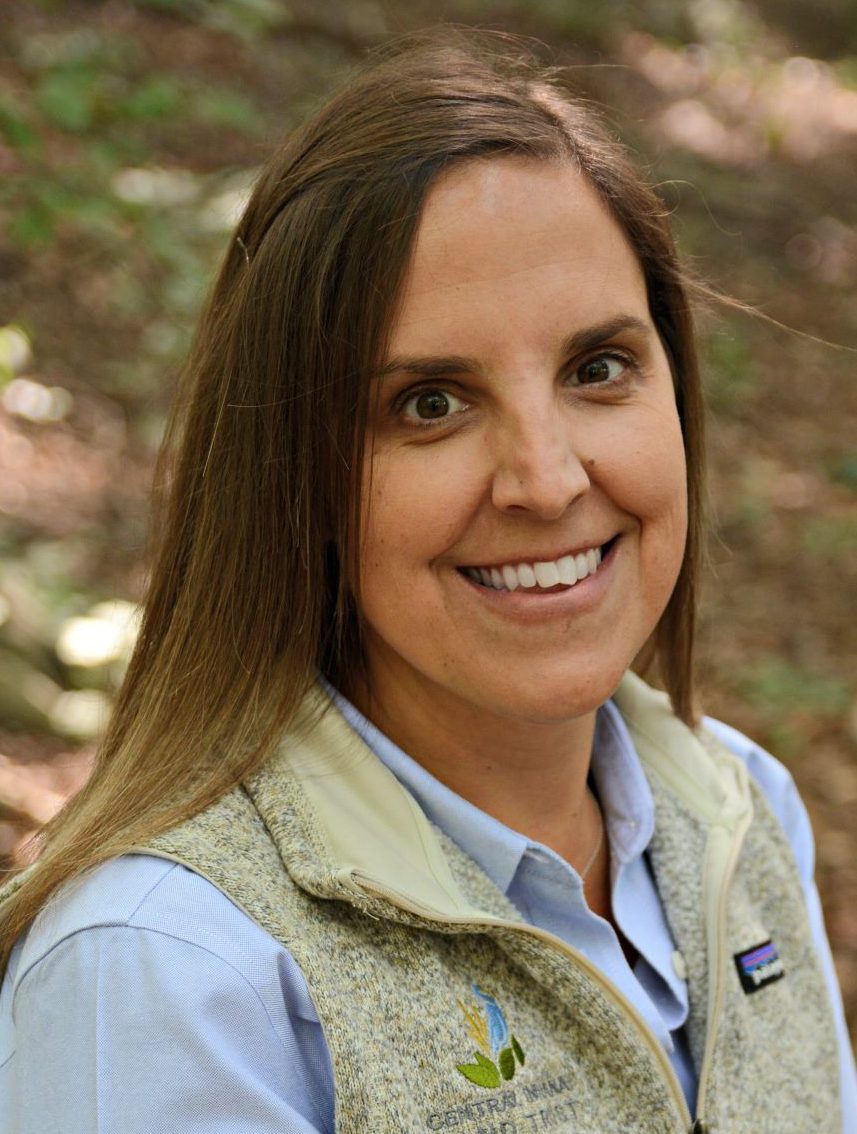
Stacy Cachules
Chief Operating Officer
Among her many key duties as Assistant Director, Stacy has the critical task of tracking our budget, making sure we channel donations for maximum efficiency. When her workday’s done, Stacy loves to spend time with her two young boys—and when not traveling, she’s likely planning the next travel adventure.

Ryan Fuhrmann
Board Chair
Ryan C. Fuhrmann, CFA, is President and founder of Fuhrmann Capital LLC, an Indiana-based investment management firm focused on portfolio management. Ryan’s interest in land conservation centers around a desire to help preserve natural habitats for wildlife and the subsequent benefits it brings to people and the environment.

Joanna Nixon
Board Member
Joanna Nixon is the owner of Nixon Consulting, an Indianapolis-based strategy and project management firm focused on the nonprofit sector. She currently serves as the Philanthropic Advisor for the Efroymson Family Fund. Prior to opening her consulting practice in 2000, Joanna was vice-president for grantmaking at Central Indiana Community Foundation (CICF). Joanna has more than 25 years of experience in the nonprofit and arts and culture sector. She is passionate about the environment and loves bringing big ideas to life and creating high-quality arts and culture programs and experiences. Joanna enjoys outdoor adventures, including competing in fitness obstacle course races and hiking with her high energy Australian Cattle Dog, Jackson.

Karen Wade
Board Member
Before retiring, CILTI board member Karen Wade worked for Eli Lilly & Co. In retirement she volunteers for a number of organizations, including the Indiana Master Naturalist program, Johnson County Native Plant Partnership CISMA, Meadowstone Therapeutic Riding Center, and Leadership Johnson County.

David Barickman
Development Director
Born and raised in Central Illinois, David spent many days as a child wandering around the river, forest and lakes there. He works behind the scenes as a key member of our fundraising team. When not working, David loves to be outdoors hiking, fly fishing, kayaking or woodworking.

Jamison Hutchins
Stewardship Director
Jamison leads our stewardship team in caring for the land that is so important to you. He comes to our team after eight years as Bicycle and Pedestrian Coordinator for the city of Indianapolis, where his work had a positive impact from both health and environmental perspectives.

Jen Schmits Thomas
Media Relations
An award-winning communicator and recognized leader in Central Indiana’s public relations community, Jen helps us tell our story in the media. She is the founder of JTPR, which she and her husband John Thomas own together. She is accredited in public relations (APR) from the Public Relations Society of America, and loves to camp and hike in perfect weather conditions.

Shawndra Miller
Communications Director
Shawndra’s earliest writing projects centered around the natural world, starting when a bird inspired her to write her first “book” in elementary school. Now she is in charge of sharing our story and connecting you to our work. Through our print and online materials, she hopes to inspire your participation in protecting special places for future generations.

Phillip Weldy
Stewardship Manager
Phillip enjoys nature’s wonders from an up-close-and-personal perspective as he works to restore the natural places you love. As an AmeriCorps member in Asheville, NC, he had his first full immersion in relatively undisturbed land while reconstructing wilderness trails in National Parks and National Forests.









December 16, 2025
In Montgomery County, we recently assisted the DNR Division of Nature Preserves expand Spring Creek Seeps Nature Preserve. A 30-acre tract adjoining the preserve is now protected in perpetuity.
Newsroom,Properties
December 11, 2025
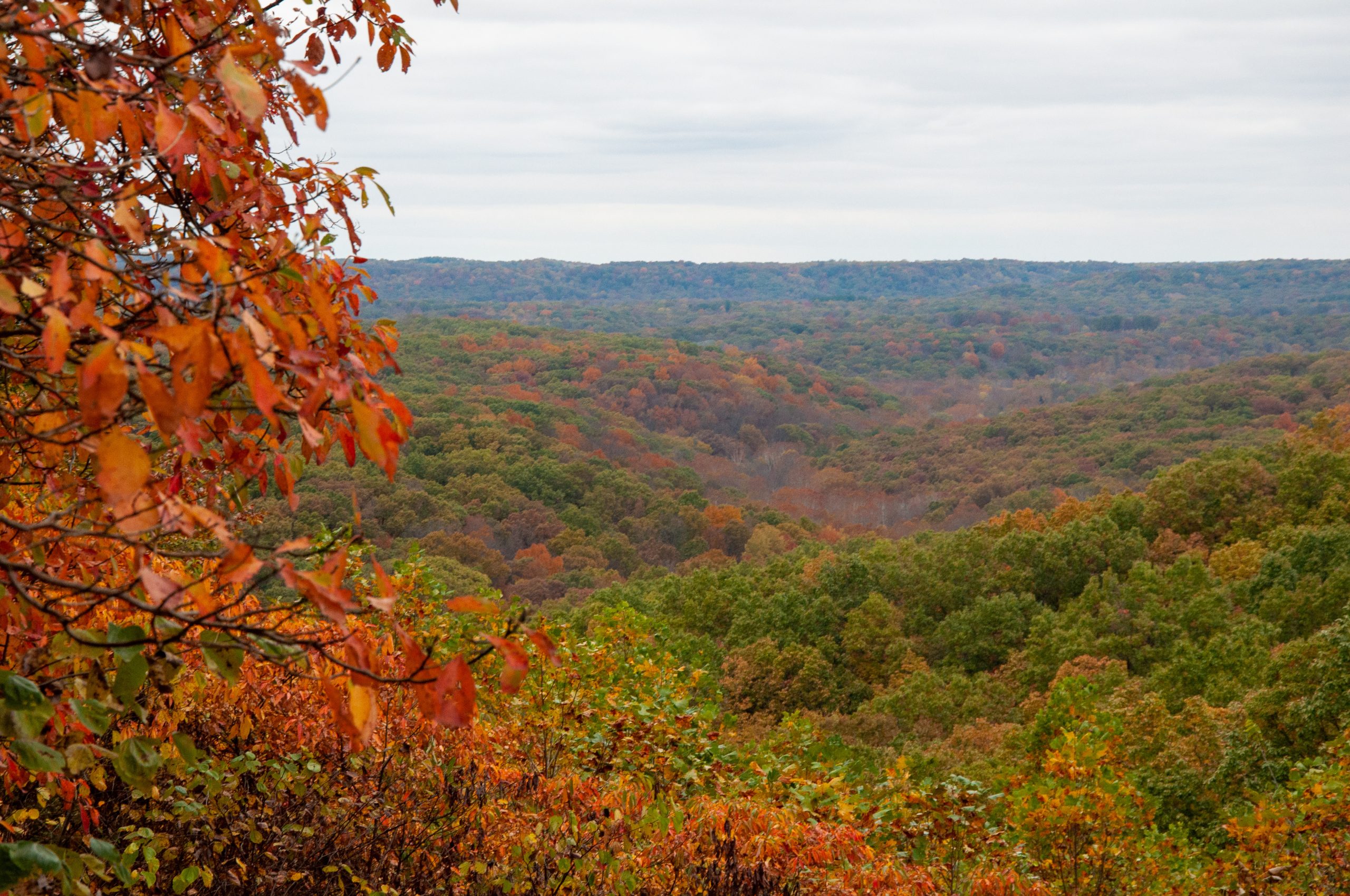
Brown County is beloved for its vistas of iconic Southern Indiana hills. Now the forests under protection in the county include another 89 acres. That’s all thanks to our members’ generosity!
Betley Woods,Blossom Hollow,Callon Hollow,Homepage,Newsroom,Properties
December 9, 2025
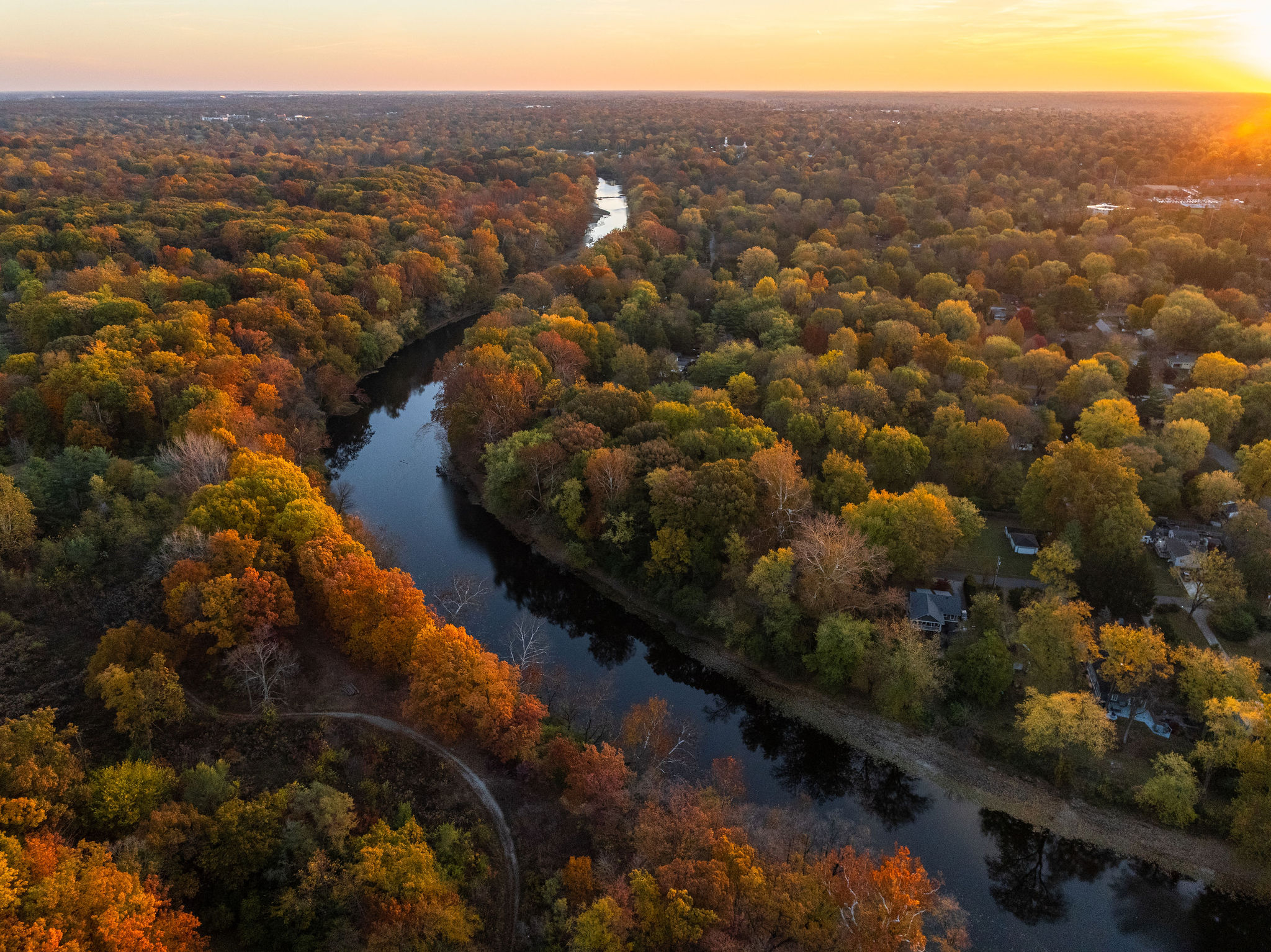
Board member Ryan C. Fuhrmann, CFA, is President and founder of Fuhrmann Capital LLC, an Indiana-based investment management firm. As our incoming board chair, Ryan brings a strong desire to preserve natural habitats for wildlife. We asked him to share his perspective on making gifts of stock to the [...]
Newsroom
